
AusUKB
2nd Australian UK Biobank Research Symposium
About The Symposium
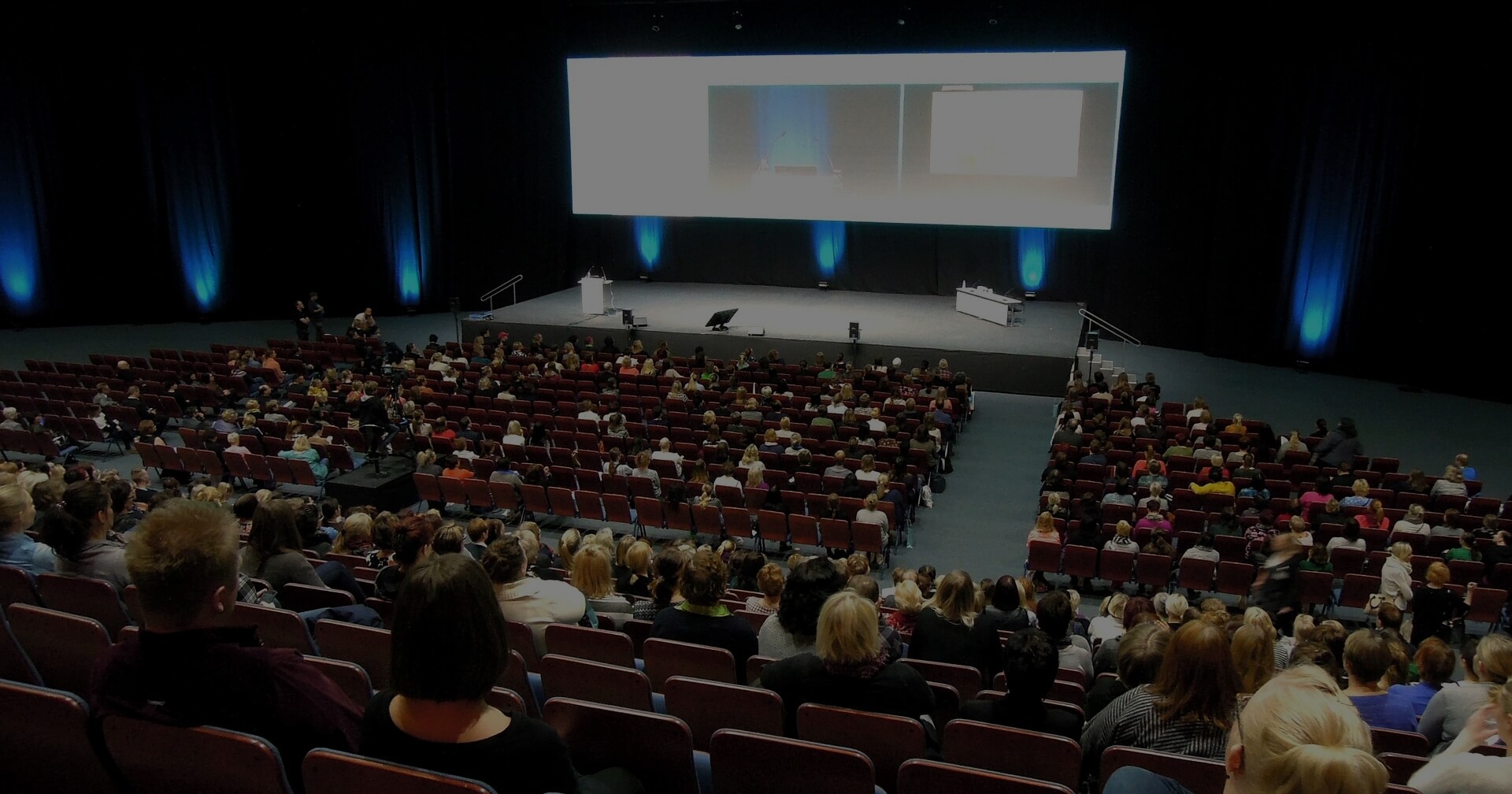
The 2nd Australian UK Biobank Research Symposium is a premier event bringing together leading experts in health, genomics, and epidemiology to explore the transformative power of the UK Biobank. Held from February 11–13, 2026, at The University of Queensland in Brisbane, Australia, this symposium will feature cutting-edge research, foster global collaborations, and highlight the wealth of data available to researchers worldwide.
In addition to keynote presentations from renowned scientists, the event will include training modules on navigating the UK Biobank data resource and conducting large-scale research analyses. This symposium provides a unique opportunity for scientists, clinicians, and early-career researchers to connect, exchange ideas, and enhance their understanding of this invaluable research resource.
We welcome you all to Brisbane in the summer!


Sir Rory Collins is Professor of Medicine and Epidemiology at the Clinical Trial Service Unit within the University of Oxford, the head of the Nuffield Department of Population Health and a Fellow of Green Templeton College, Oxford. His work has been in the establishment of large-scale epidemiological studies of the causes, prevention and treatment of heart attacks, other vascular disease, and cancer, while also being closely involved in developing approaches to the combination of results from related studies. Since September 2005, he has been the Principal Investigator and Chief Executive of the UK Biobank, a prospective study of 500,000 British people aged 40–69 at recruitment.
Click here to see Sir Rory Collins' opening address for the 2nd Australian UK Biobank Research Symposium.

Sir Rory Collins is Professor of Medicine and Epidemiology at the Clinical Trial Service Unit within the University of Oxford, the head of the Nuffield Department of Population Health and a Fellow of Green Templeton College, Oxford. His work has been in the establishment of large-scale epidemiological studies of the causes, prevention and treatment of heart attacks, other vascular disease, and cancer, while also being closely involved in developing approaches to the combination of results from related studies. Since September 2005, he has been the Principal Investigator and Chief Executive of the UK Biobank, a prospective study of 500,000 British people aged 40–69 at recruitment.
Click here to see Sir Rory Collins' opening address for the 2nd Australian UK Biobank Research Symposium.
David Hunter AC is Richard Doll Professor of Epidemiology and Medicine and Director of the Translational Epidemiology Unit at the University of Oxford. He was Chief Scientific Advisor of the Our Future Health research programme until 2024. David studied medicine at the University of Sydney and trained at the Royal North Shore Hospital before moving to the Harvard School of Public Health for 33 years where he was the Vincent L. Gregory Professor of Cancer Prevention, Academic Dean and Acting Dean of the Faculty.

David Hunter AC is Richard Doll Professor of Epidemiology and Medicine and Director of the Translational Epidemiology Unit at the University of Oxford. He was Chief Scientific Advisor of the Our Future Health research programme until 2024. David studied medicine at the University of Sydney and trained at the Royal North Shore Hospital before moving to the Harvard School of Public Health for 33 years where he was the Vincent L. Gregory Professor of Cancer Prevention, Academic Dean and Acting Dean of the Faculty.
Professor Naomi Wray is Michael Davys Professor in the Department of Psychiatry and Professorial Research Fellow at the Big Data Institute, whose work focuses on psychiatric and complex trait genomics. She leads the Pioneer Centre for SMARTbiomed, a Denmark–Oxford initiative advancing statistical methods for complex disease research.

Professor Naomi Wray is Michael Davys Professor in the Department of Psychiatry and Professorial Research Fellow at the Big Data Institute, whose work focuses on psychiatric and complex trait genomics. She leads the Pioneer Centre for SMARTbiomed, a Denmark–Oxford initiative advancing statistical methods for complex disease research.
Jonathan Emberson is Professor of Medical Statistics and Epidemiology at the University of Oxford. His research focuses on studying the causes and prevention of cardiovascular and other diseases through the design, conduct, analysis and interpretation of large-scale observational cohort studies, randomised controlled trials, and individual-participant-data meta-analyses of both types of study. Jonathan is the UK lead-PI of the Mexico City Prospective Study, where he is investigating the genetic and non-genetic causes of premature morbidity and mortality in a cohort of 150,000 Mexican adults.

Jonathan Emberson is Professor of Medical Statistics and Epidemiology at the University of Oxford. His research focuses on studying the causes and prevention of cardiovascular and other diseases through the design, conduct, analysis and interpretation of large-scale observational cohort studies, randomised controlled trials, and individual-participant-data meta-analyses of both types of study. Jonathan is the UK lead-PI of the Mexico City Prospective Study, where he is investigating the genetic and non-genetic causes of premature morbidity and mortality in a cohort of 150,000 Mexican adults.
Dr Sam Morris is an Early Career Research Fellow in genetics at the University of Oxford, working with the China Kadoorie Biobank and the Mexico City Prospective Study. His research focuses on population and statistical genetics, using biobank-scale datasets to study natural selection, admixture, and genetic variation and their relation to complex trait variation.

Dr Sam Morris is an Early Career Research Fellow in genetics at the University of Oxford, working with the China Kadoorie Biobank and the Mexico City Prospective Study. His research focuses on population and statistical genetics, using biobank-scale datasets to study natural selection, admixture, and genetic variation and their relation to complex trait variation.